
When visiting Agra, most travelers immediately think of the iconic Taj Mahal. However, no trip to the city is complete without exploring the magnificent Agra Fort. This massive red sandstone fortress is one of India’s most important historical landmarks and a UNESCO World Heritage Site.
Located just 2.5 kilometers from the Taj Mahal, Agra Fort offers visitors a fascinating glimpse into the grandeur of the Mughal Empire. With its impressive palaces, courtyards, mosques, and royal chambers, the fort is a must-visit destination for history lovers and architecture enthusiasts.
History of Agra Fort
The history of Agra Fort dates back to the 16th century. Emperor Akbar commissioned the construction of the fort in 1565, transforming an old brick fort into a magnificent red sandstone citadel.
Over the years, successive Mughal rulers, including Jahangir and Shah Jahan, added beautiful marble palaces and decorative structures inside the complex.
One of the most famous stories associated with Agra Fort is that Emperor Shah Jahan was imprisoned here by his son Aurangzeb. From the fort’s Musamman Burj, Shah Jahan spent his final years looking across the Yamuna River toward the Taj Mahal, the monument he built in memory of his beloved wife Mumtaz Mahal.
Architecture of Agra Fort
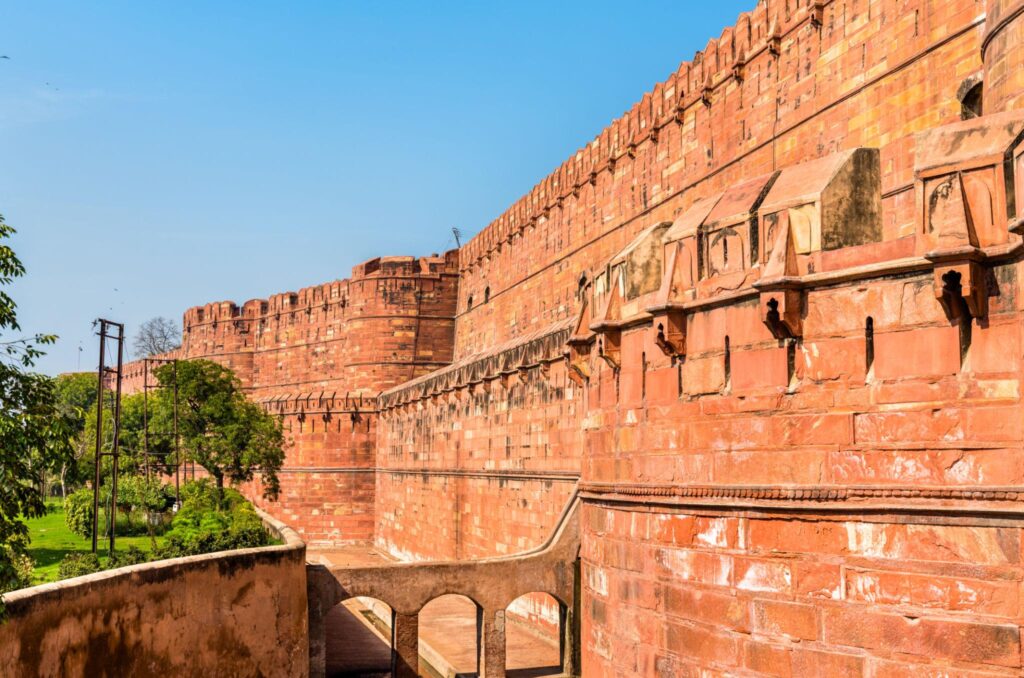
Agra Fort is an architectural masterpiece that blends Islamic, Persian, and Hindu styles. The fort covers approximately 94 acres and is surrounded by massive walls rising up to 21 meters in height.
Some architectural highlights include:
- Massive red sandstone walls
- Intricately carved marble palaces
- Beautiful courtyards and gardens
- Ornamental arches and balconies
- Stunning river views overlooking the Yamuna
The fort showcases the evolution of Mughal architecture from Akbar’s robust style to Shah Jahan’s elegant marble craftsmanship.
Major Attractions Inside Agra Fort
Jahangir Mahal
Built by Emperor Akbar, Jahangir Mahal is one of the best-preserved palaces inside the fort. It combines Hindu and Central Asian architectural elements and served as a royal residence.
Diwan-i-Am
The Hall of Public Audience was where Mughal emperors met common citizens and heard public grievances.
Diwan-i-Khas
This Hall of Private Audience was reserved for important meetings with nobles, ambassadors, and foreign dignitaries.
Musamman Burj
This octagonal marble tower offers breathtaking views of the Taj Mahal. It is believed to be the place where Shah Jahan spent his final years.
Khas Mahal
A beautiful white marble palace used by Shah Jahan as his private residence.
Sheesh Mahal
Known as the Palace of Mirrors, this structure features intricate mirror decorations and luxurious interiors.
Moti Masjid
Often called the Pearl Mosque, this elegant white marble mosque was built by Shah Jahan for the royal family.
Why Visit Agra Fort?
There are many reasons why Agra Fort deserves a place on your Agra itinerary:
- UNESCO World Heritage Site
- Rich Mughal history
- Spectacular architecture
- Stunning views of the Taj Mahal
- Excellent photography opportunities
- Less crowded than the Taj Mahal
The fort provides a deeper understanding of the Mughal Empire and complements a visit to the Taj Mahal perfectly.
Agra Fort Timings
| Details | Information |
|---|---|
| Opening Time | 6:00 AM |
| Closing Time | 6:00 PM |
| Open Days | Every Day |
Visitors are encouraged to arrive early in the morning to avoid crowds and enjoy cooler temperatures.
Agra Fort Ticket Price
| Visitor Type | Ticket Price |
|---|---|
| Indian Citizens | Approx. ₹50 |
| Foreign Tourists | Approx. ₹650 |
| Children Below 15 Years | Free |
Ticket prices may change, so visitors should verify current rates before traveling.
Best Time to Visit Agra Fort
The ideal time to visit Agra Fort is between October and March when the weather is pleasant and suitable for sightseeing.
For photography enthusiasts:
- Morning visits provide soft natural light.
- Late afternoon visits offer beautiful golden-hour views.
- Winter months provide the clearest visibility.
Places to Visit Near Agra Fort
After exploring Agra Fort, visitors can continue their journey to other famous attractions:
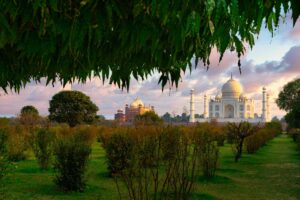
- Taj Mahal
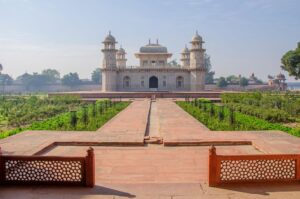
- Itmad-ud-Daulah
- Mehtab Bagh
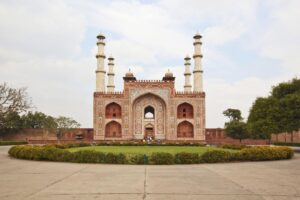
- Akbar’s Tomb
Together, these sites offer a complete introduction to Agra’s rich Mughal heritage.
Travel Tips for Visiting Agra Fort
- Wear comfortable walking shoes.
- Carry drinking water, especially during summer.
- Hire a knowledgeable guide to understand the fort’s history.
- Bring a camera for photography.
- Allocate at least 2–3 hours for your visit.
- Visit early to avoid large crowds.
Conclusion
Agra Fort is one of India’s most remarkable historical monuments. From its towering red sandstone walls to its elegant marble palaces, the fort tells the story of the Mughal Empire’s power, culture, and architectural brilliance.
Whether you are a history enthusiast, photographer, or first-time visitor to Agra, Agra Fort offers an unforgettable experience that perfectly complements a visit to the Taj Mahal. Make sure to include this magnificent fortress in your Agra travel itinerary.
For expert-guided tours of Agra and its monuments, visit Taj Mahal Tour Guide Family Group And for India tours Visit – visitindiawithguide.com.