
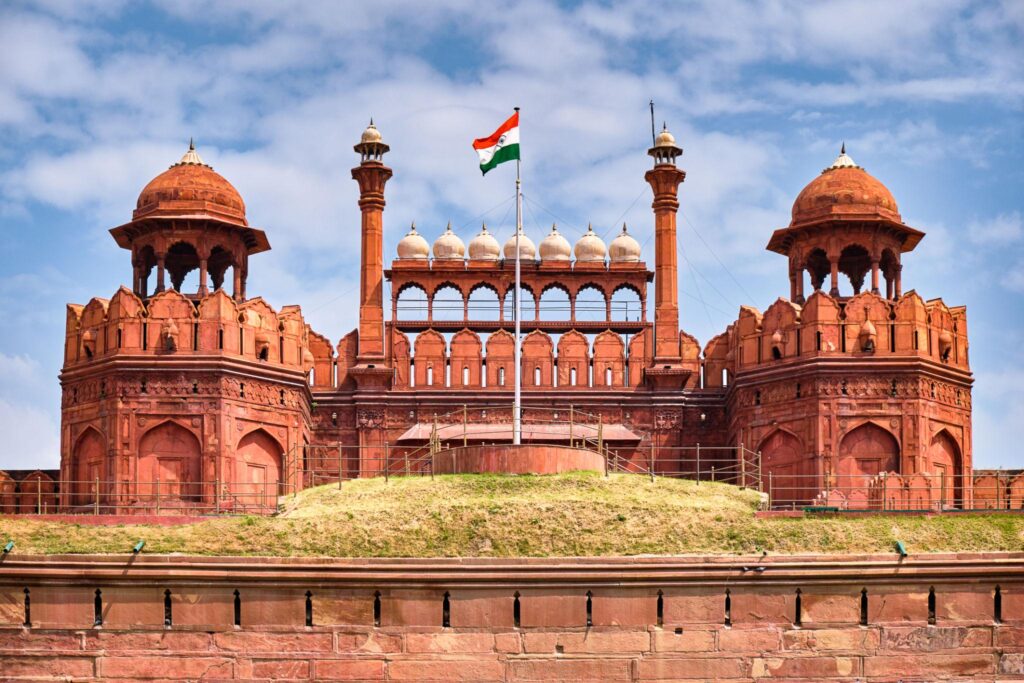
Standing proudly in the heart of Old Delhi, Red Fort is more than just a historical monument—it’s a symbol of India’s rich heritage and national identity.
With its massive red sandstone walls, magnificent palaces, and centuries of history, the Red Fort attracts millions of visitors from around the world every year. It was once the center of Mughal power and remains one of the most important landmarks in India today.
Whether you’re a history enthusiast, architecture lover, or first-time visitor to Delhi, the Red Fort is a destination that should not be missed.
The Story Behind Red Fort
The Red Fort was commissioned by the Mughal Emperor Shah Jahan in 1638 when he decided to shift his capital from Agra to Shahjahanabad, now known as Old Delhi.
Construction took nearly ten years and was completed in 1648. The fort served as the residence of Mughal emperors for almost two centuries and became the political and cultural center of the empire.
After the decline of the Mughal Empire, the fort witnessed several significant events, including the Indian Rebellion of 1857 and India’s independence in 1947.
Today, every year on Independence Day, the Prime Minister of India hoists the national flag from the Red Fort and addresses the nation.
Why is it Called the Red Fort?
The fort gets its name from the enormous red sandstone walls that surround the complex. These walls stretch for more than two kilometers and rise dramatically above the bustling streets of Old Delhi.
The striking red color gives the monument its distinctive appearance and makes it one of the most recognizable structures in India.
Architecture That Reflects Mughal Grandeur
The Red Fort is a masterpiece of Mughal architecture, blending Persian, Timurid, and Indian styles.
Some of its architectural highlights include:
- Massive red sandstone walls
- Beautiful marble palaces
- Intricate carvings and floral motifs
- Elegant arches and pavilions
- Symmetrical gardens and water channels
The design later influenced many Mughal structures across India.
Top Attractions Inside Red Fort
Lahori Gate
The main entrance to the fort, Lahori Gate, is one of the most photographed parts of the monument and serves as the primary entry point for visitors.
Chatta Chowk
This historic covered market once sold luxury goods to the royal family. Today, visitors can browse souvenirs, handicrafts, and traditional items.
Diwan-i-Aam
The Hall of Public Audience was where the emperor listened to petitions and addressed public matters.
Diwan-i-Khas
One of the most beautiful structures in the fort, this hall hosted private meetings with nobles and foreign dignitaries.
Rang Mahal
Known as the Palace of Colors, this royal residence was decorated with vibrant paintings and luxurious interiors.
Moti Masjid
A beautiful white marble mosque built by Emperor Aurangzeb for personal worship.
Red Fort and India’s Independence
The Red Fort holds a special place in modern Indian history.
On 15 August 1947, India’s first Prime Minister, Jawaharlal Nehru, raised the Indian flag here after the country gained independence.
Since then, the Red Fort has become a national symbol, and the Independence Day ceremony continues to be held at this historic site every year.
Red Fort Timings
| Information | Details |
|---|---|
| Opening Time | 9:30 AM |
| Closing Time | 4:30 PM |
| Closed On | Monday |
Visitors are encouraged to arrive early to avoid crowds and enjoy a relaxed experience.
Red Fort Ticket Price
| Visitor Type | Ticket Price |
|---|---|
| Indian Citizens | Approx. ₹35 |
| Foreign Tourists | Approx. ₹550 |
| Children Below 15 Years | Free |
Ticket prices may change, so checking the latest rates before your visit is recommended.
Best Time to Visit Red Fort
The ideal time to visit is between October and March when Delhi experiences cooler and more comfortable weather.
For photography:
- Early mornings provide softer light.
- Winter months offer clearer skies.
- Weekdays are generally less crowded than weekends.
Places to Visit Near Red Fort
The Red Fort is located in Old Delhi and is close to several famous attractions:
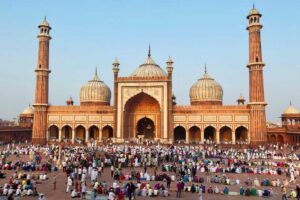
- Jama Masjid
- Chandni Chowk
- Raj Ghat
- India Gate
Many visitors combine these attractions into a full-day Old Delhi sightseeing tour.
Travel Tips for Visitors
- Visit early to avoid crowds.
- Wear comfortable walking shoes.
- Carry water, especially during summer.
- Consider hiring a local guide to understand the fort’s history.
- Allow at least 2–3 hours to explore the complex.
- Keep your camera ready for the impressive architecture.
Final Thoughts
Red Fort is not just a monument—it is a living symbol of India’s history, culture, and independence. From its magnificent Mughal architecture to its role in shaping the nation’s identity, the Red Fort offers an unforgettable experience for every traveler.
If you’re planning a trip to Delhi, make sure this UNESCO World Heritage Site is at the top of your itinerary.
For private tours of Delhi, Agra, and the Golden Triangle, visit: