

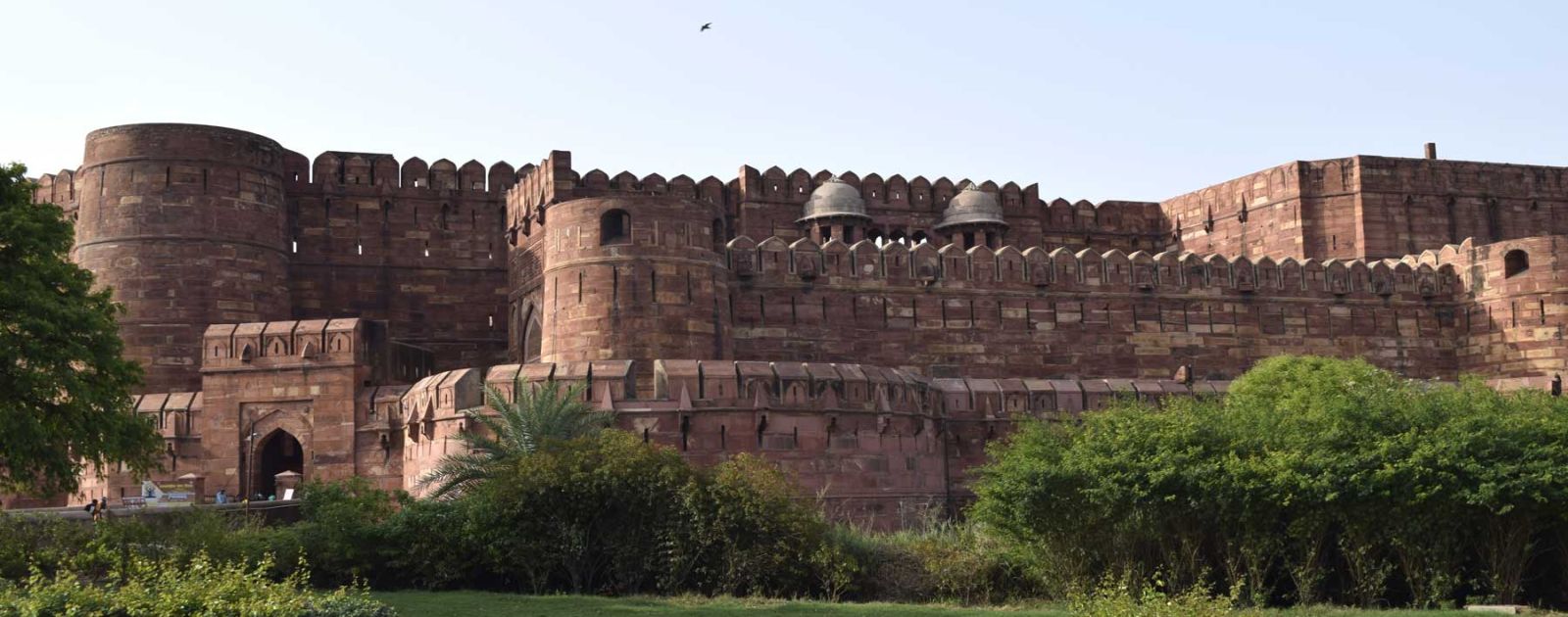
Agra Fort – History And Architecture
Agra Fort is one of India’s most iconic landmarks and a UNESCO World Heritage Site. Located just 2.5 km from the Taj Mahal, it’s often called the “Red Fort of Agra” or Lal Qila. This massive fort is not just a fortress; it’s a walled city with royal palaces, mosques, gardens, and halls that reflect the grandeur of the Mughal Empire. Visiting Agra Fort is a must for anyone exploring Agra, whether on a day trip from Delhi or as part of a Golden Triangle tour.
History of Agra Fort
The present Agra Fort was built by Emperor Akbar in 1565 AD using red sandstone after he made Agra his capital. Before Akbar, the fort existed in a ruined form, but he transformed it into a palatial military stronghold. Later, his grandson Shah Jahan added white marble palaces, mosques, and gardens, blending elegance with strength.
Agra Fort has witnessed many historical events, including the imprisonment of Shah Jahan by his son Aurangzeb. It is said that Shah Jahan spent his last years gazing at the Taj Mahal from Musamman Burj, a beautiful marble balcony within the fort.
Architecture & Design
Agra Fort’s architecture combines Islamic, Persian, and Indian styles. Its high red sandstone walls, defensive bastions, and elegant palaces make it both a fortress and a royal residence. The fort is rectangular on three sides and follows the curve of the Yamuna River on the fourth, with multiple gates and towers guarding it.
Key features include:
- Delhi Gate – The main entrance for the fort during Akbar’s era.
- Amar Singh Gate – Today’s main visitor entrance, named after a noble of Jodhpur.
- Double Moat System – Historically designed for maximum security.
- Inside, you’ll find exquisite palaces and halls:
- Jahangiri Mahal – The palace of Emperor Jehangir with a grand courtyard.
- Khas Mahal – Shah Jahan’s private white marble palace.
- Diwan-i-Am – Hall of Public Audience for the emperor to meet citizens.
- Diwan-i-Khas – Hall of Private Audience for nobles and kings.
- Musamman Burj – Octagonal tower with a balcony facing the Taj Mahal.
Must-See Attractions Inside Agra Fort
- Sheesh Mahal (Palace of Mirrors) – Walls decorated with tiny mirrors reflecting light beautifully.
- Anguri Bagh – Geometrically designed gardens once used for royal leisure.
- Moti Masjid (Pearl Mosque) – A serene white marble mosque built for royal prayers.
- Nagina Masjid – A private mosque for the ladies of the royal court.
- Macchi Bhawan – A large courtyard with marble pavilions and fountains.
Every structure tells a story of the Mughal dynasty, their art, and their royal lifestyle.
Visiting Agra Fort – Timings & Tips
Opening Hours: 6 AM – 6 PM daily
Entry Fee: ?50 for Indian visitors | ?650 for foreign visitors
Best Time to Visit: October – March (pleasant weather)
Tips:
Hire a local guide for deep insights and hidden stories.
Wear comfortable shoes; the fort is large.
Combine your visit with the Taj Mahal or Mehtab Bagh for perfect sightseeing.
Tours & Packages
To make the most of your visit, you can book with professional local guides:
Taj Mahal Tour from Delhi
– One-day or two-day private trips with guide and driver.
Golden Triangle Tour Packages
– Explore Delhi, Agra Fort, Taj Mahal, and Jaipur palaces with a professional guide.
A knowledgeable guide will show you secret spots, photo-perfect locations, and historical details that most visitors miss.
Why Choose a Local Guide
A local guide not only explains the history but also brings the fort to life. From the architecture to the stories of emperors and queens, a guide ensures you don’t just see Agra Fort—you experience it.
- Booking a guide guarantees:
- Skip the ticket line access
- Personalized tours
- Historical storytelling
- Best photo opportunities
Conclusion
Agra Fort is more than a monument it’s a living museum of Mughal history and art. With its palaces, mosques, gardens, and magnificent views of the Taj Mahal, it’s an essential stop on any Agra trip.


