

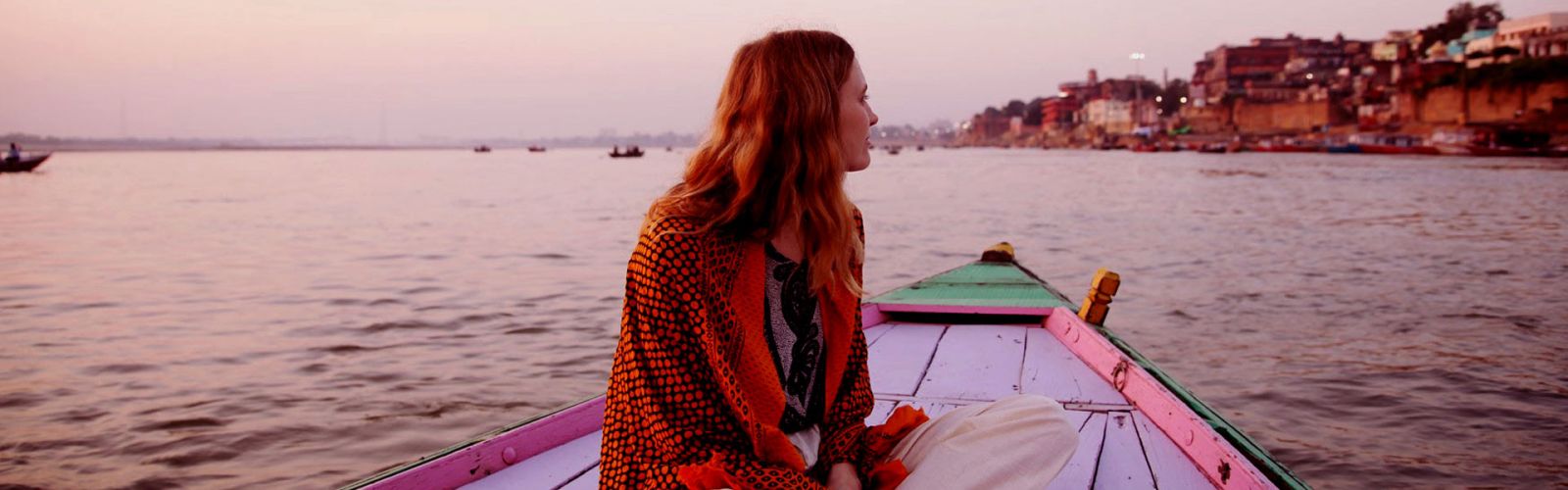
Varanasi – The Eternal City
Varanasi, also known as Kashi or Banaras, is one of the oldest living cities in the world and the spiritual heart of India. Situated on the banks of the sacred River Ganga in Uttar Pradesh, Varanasi has been a center of Hindu religion, philosophy, and culture for over 3,000 years.
Ancient Origins
According to Hindu mythology, Varanasi was founded by Lord Shiva himself, making it one of the holiest cities in Hinduism. The name Varanasi comes from the two rivers that border the city—Varuna and Assi—which flow into the Ganges.
Archaeological and historical evidence suggests that Varanasi was already a flourishing city around 1200 BCE, making it older than most ancient civilizations. It was a major center of trade, learning, and spirituality in ancient India, attracting scholars, saints, and pilgrims from across the subcontinent.
Religious and Cultural Importance
For Hindus, Varanasi is the city of moksha (liberation). It is believed that dying here and being cremated on the Ghats of the Ganga grants freedom from the cycle of birth and death. The Kashi Vishwanath Temple, dedicated to Lord Shiva, is one of the Twelve Jyotirlingas, and a sacred destination for millions of devotees.
The city is also closely linked to Buddhism. It was near Varanasi, in Sarnath, that Gautama Buddha delivered his first sermon after attaining enlightenment, setting in motion the Wheel of Dharma.
In the Jain tradition, it is said to be the birthplace of the 23rd Tirthankara, Parshvanatha, further adding to its multi-religious heritage.
Medieval and Modern Era
During the Gupta period (4th–6th century CE), Varanasi became a major center for education, art, and Sanskrit learning. The city’s fame continued through the Mughal era, when Emperor Akbar contributed to its growth by rebuilding parts of it and patronizing its temples and culture.
Despite invasions and political upheavals, Varanasi preserved its spiritual and cultural essence. It flourished as a hub of music, art, and literature, becoming home to classical legends like Tansen and Bismillah Khan.
During the British period, Varanasi became a symbol of India’s timeless identity. Post-independence, it continues to thrive as a place where ancient traditions coexist with modern life.
The Living City
Today, Varanasi remains a mesmerizing blend of faith, rituals, and humanity. The city’s ghats, especially Dashashwamedh Ghat and Manikarnika Ghat, witness thousands of pilgrims every day — offering prayers, performing rituals, and watching the divine Ganga Aarti at sunset.
The narrow lanes echo with temple bells, chants, and the aroma of incense, creating an atmosphere of eternal devotion.
Varanasi is not just a city — it’s an experience of India’s soul, where life and death, tradition and modernity, all flow together with the sacred Ganga.


